
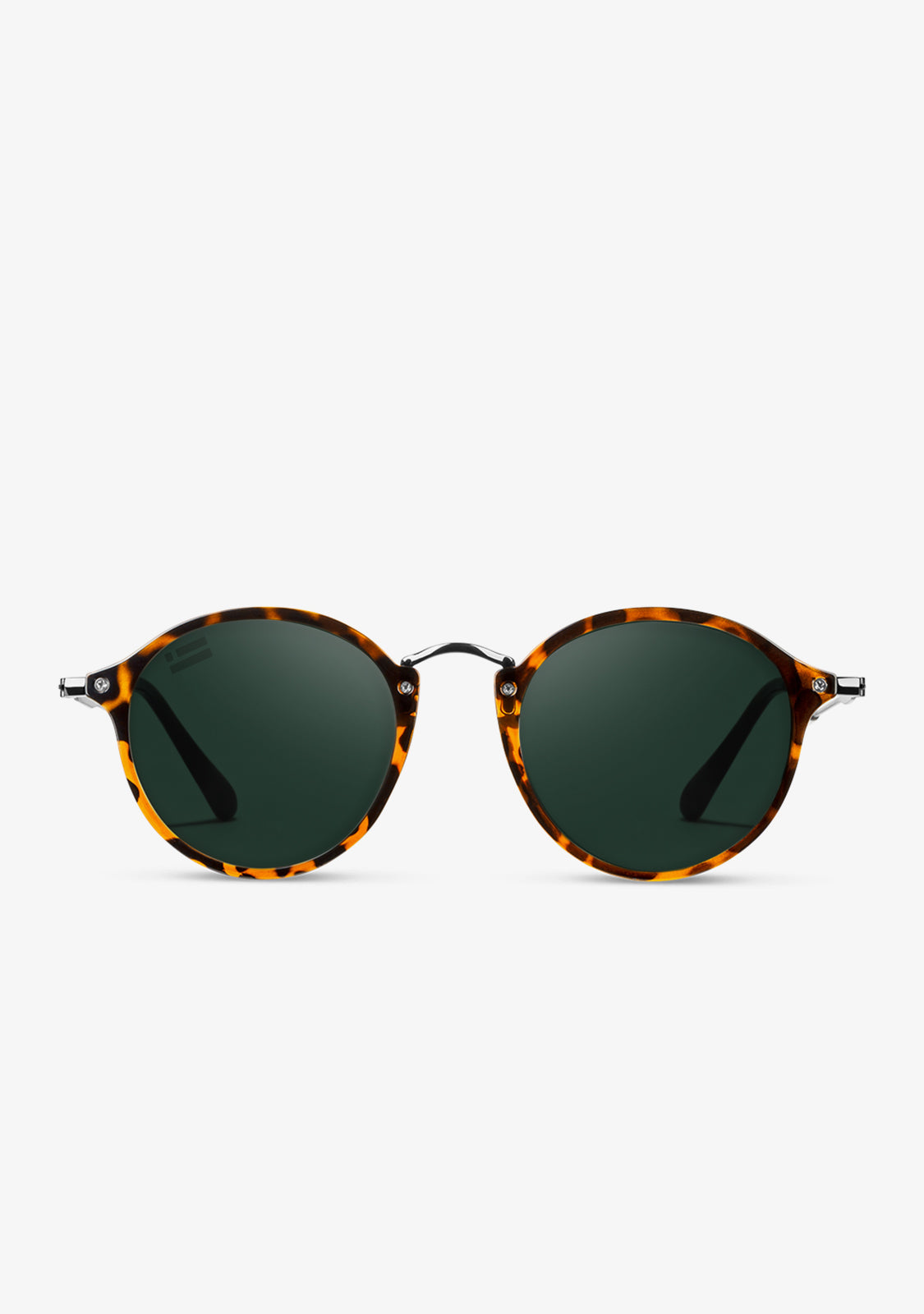
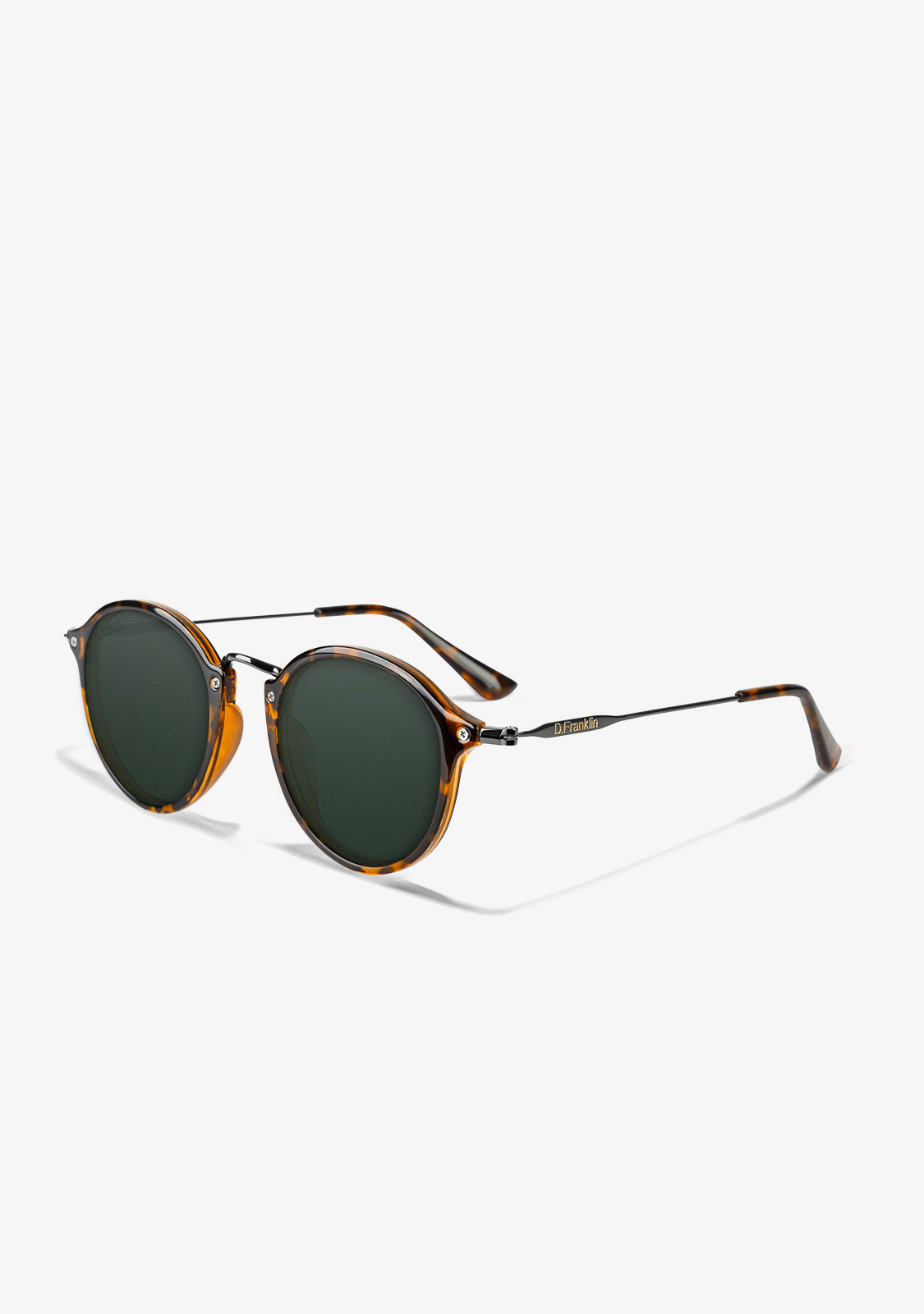
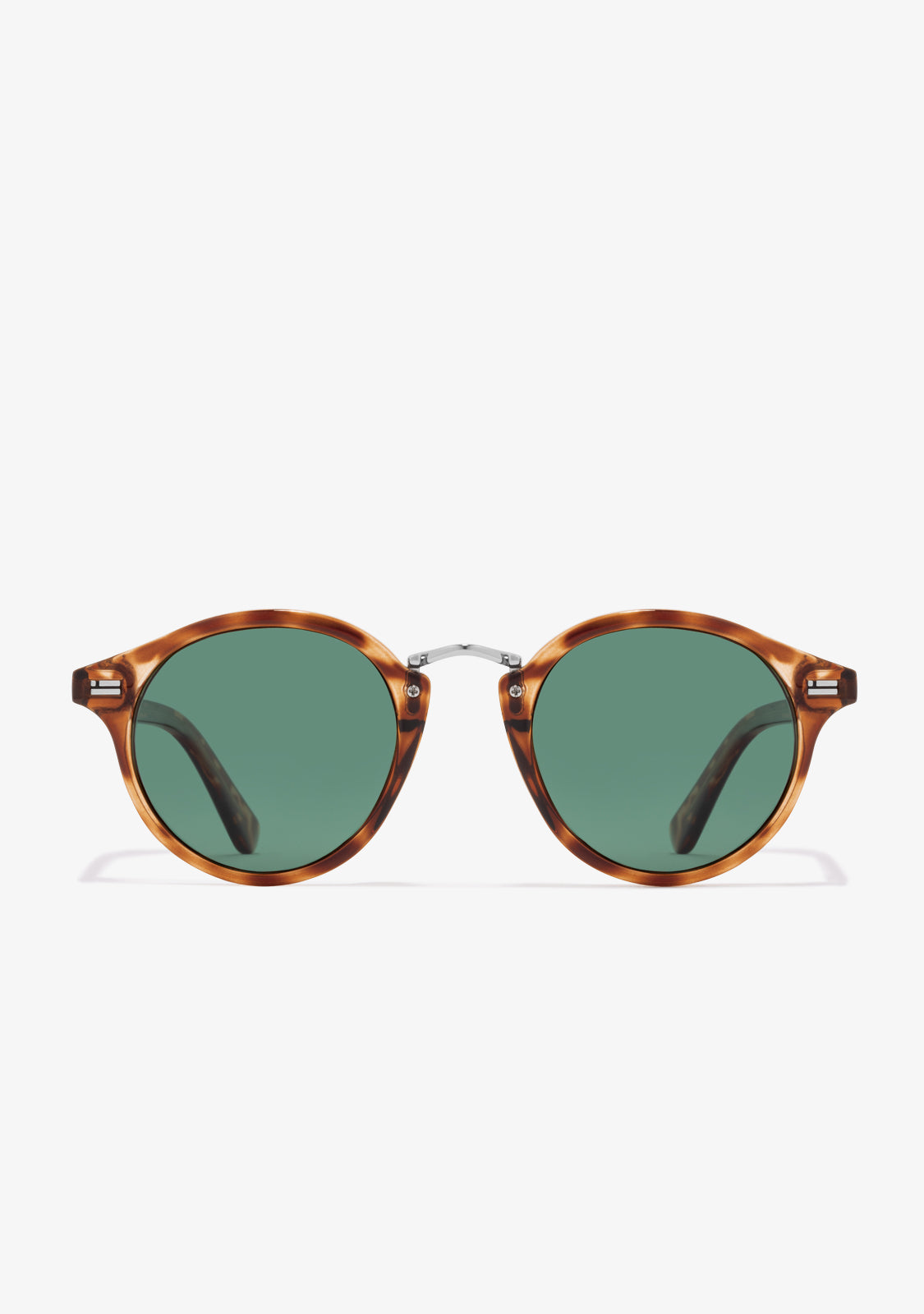
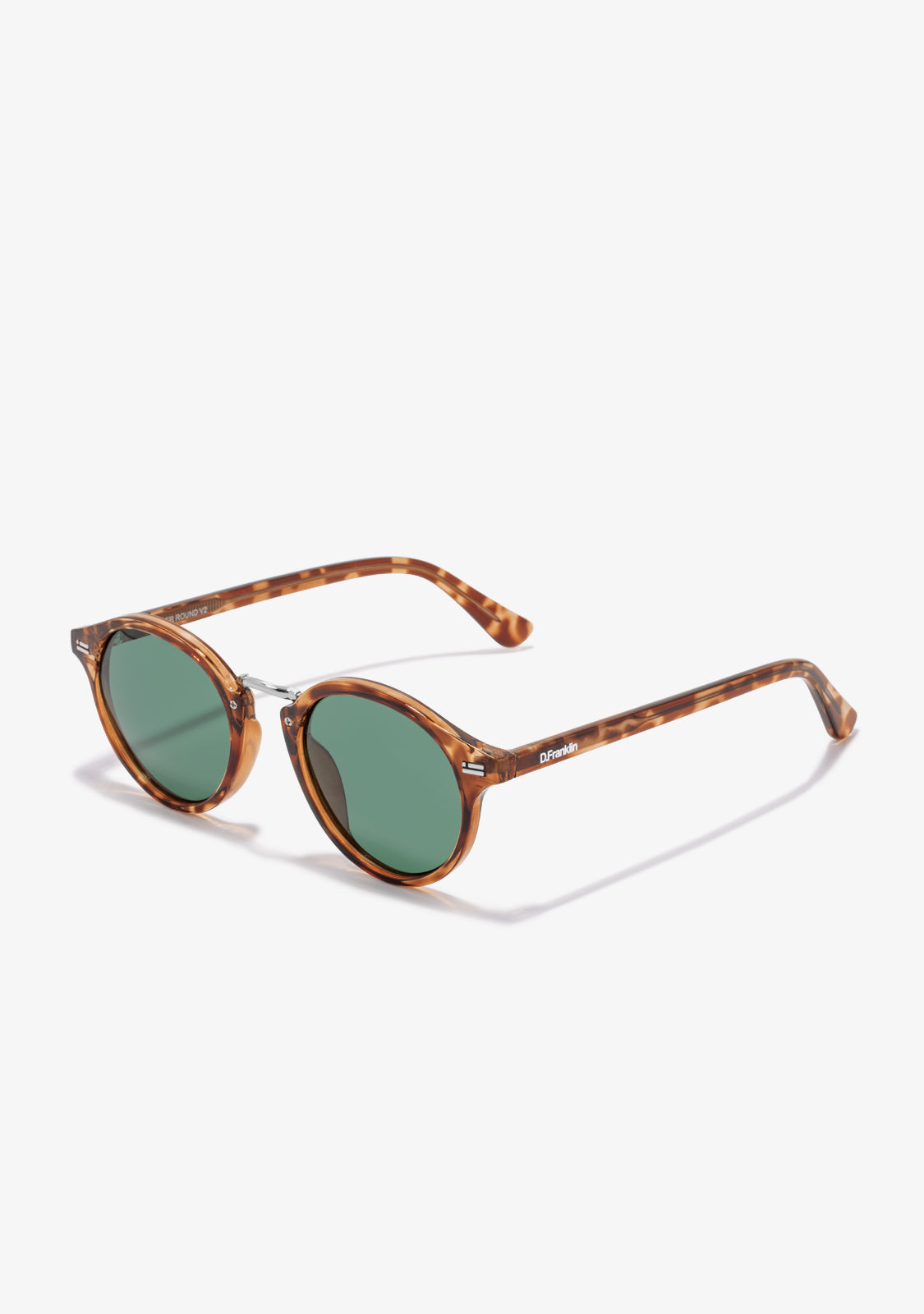
You may also like
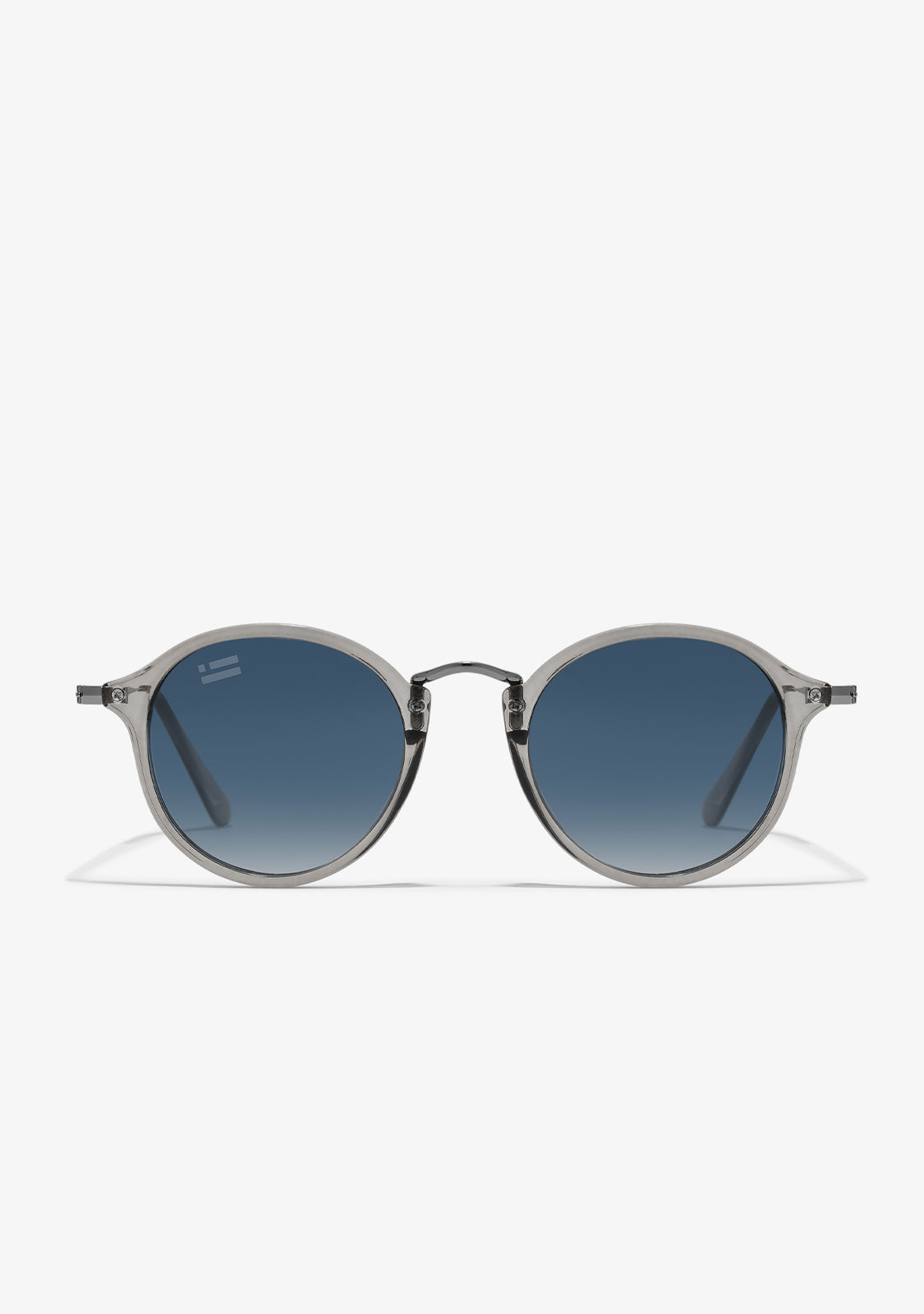
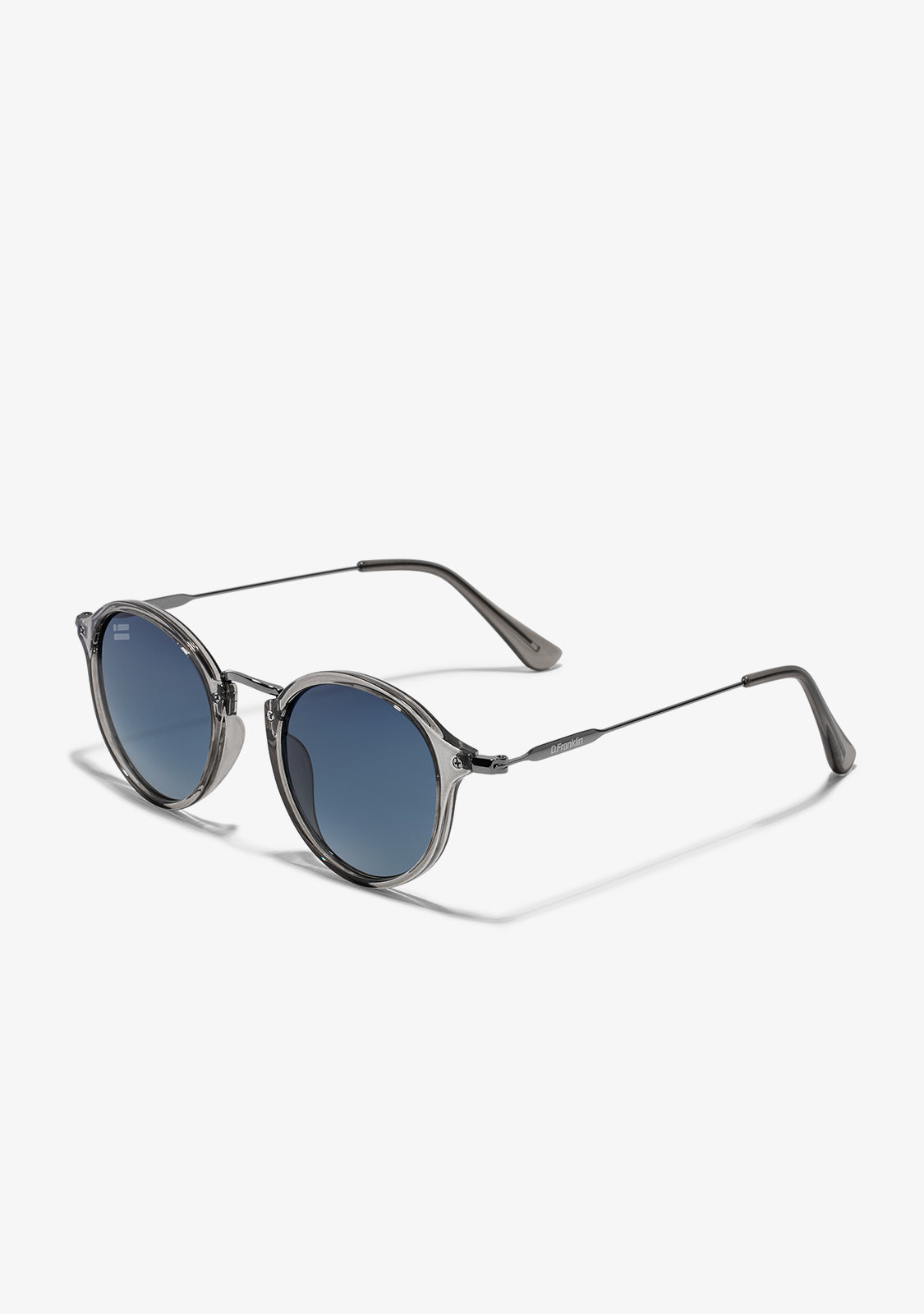
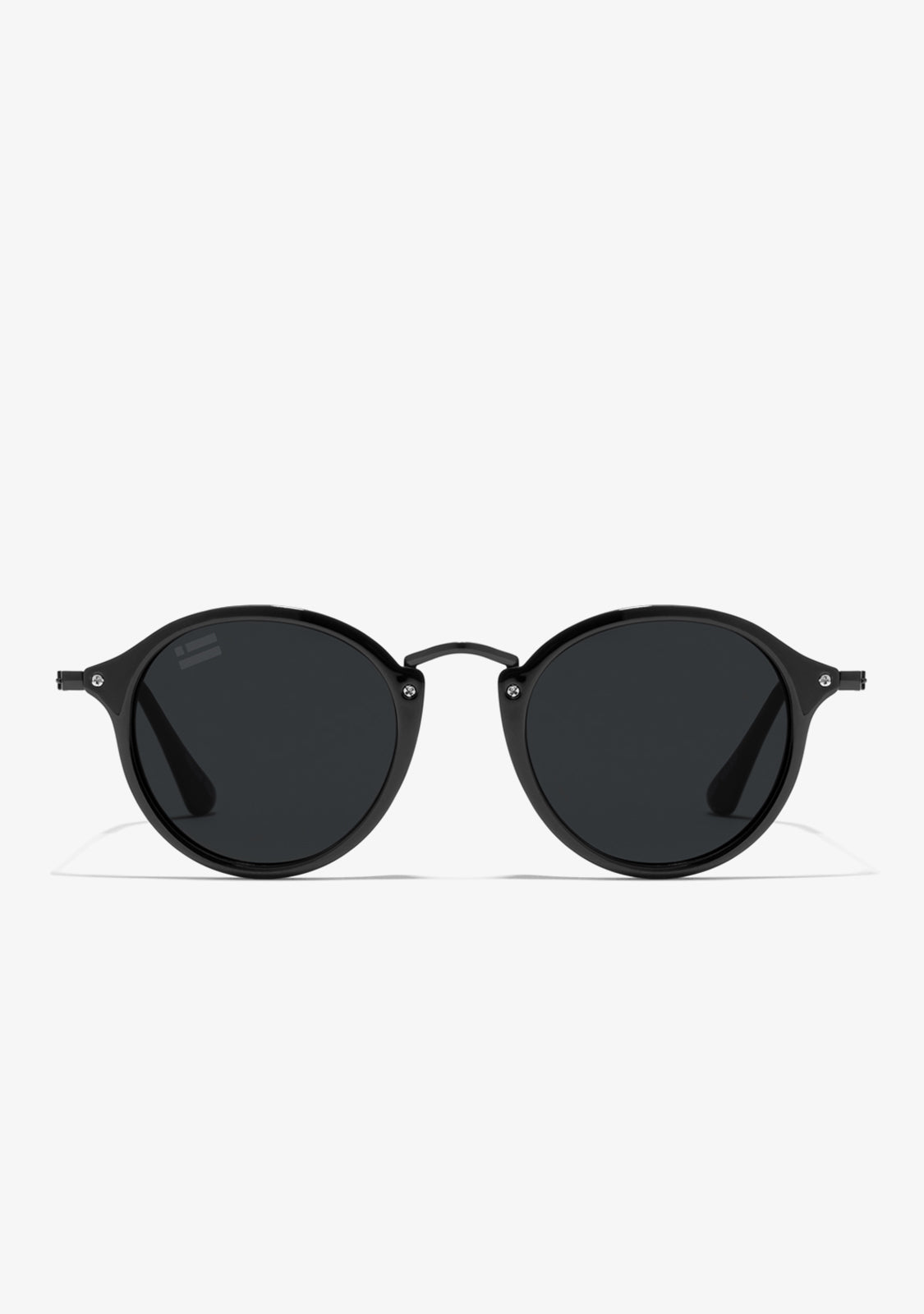
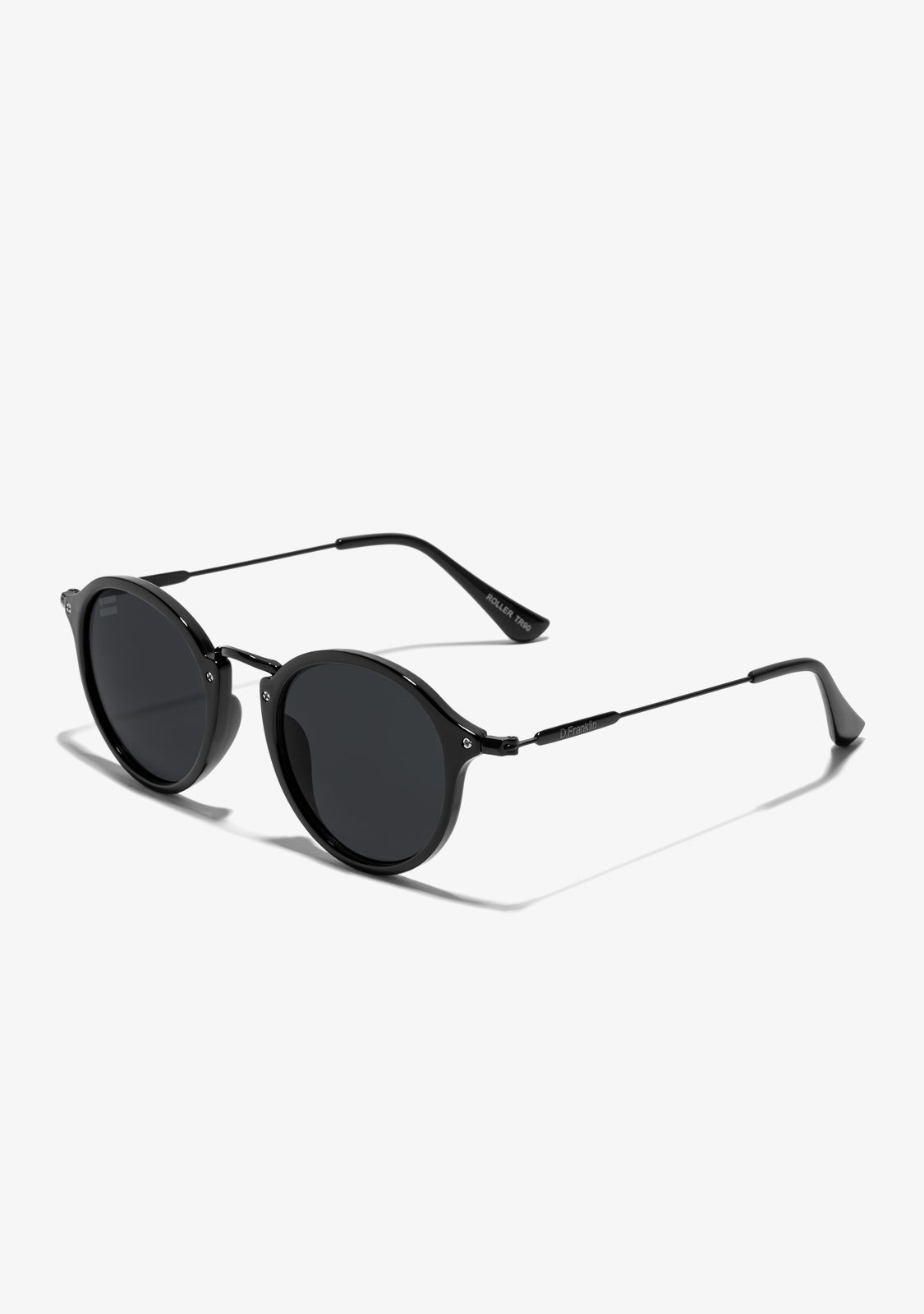
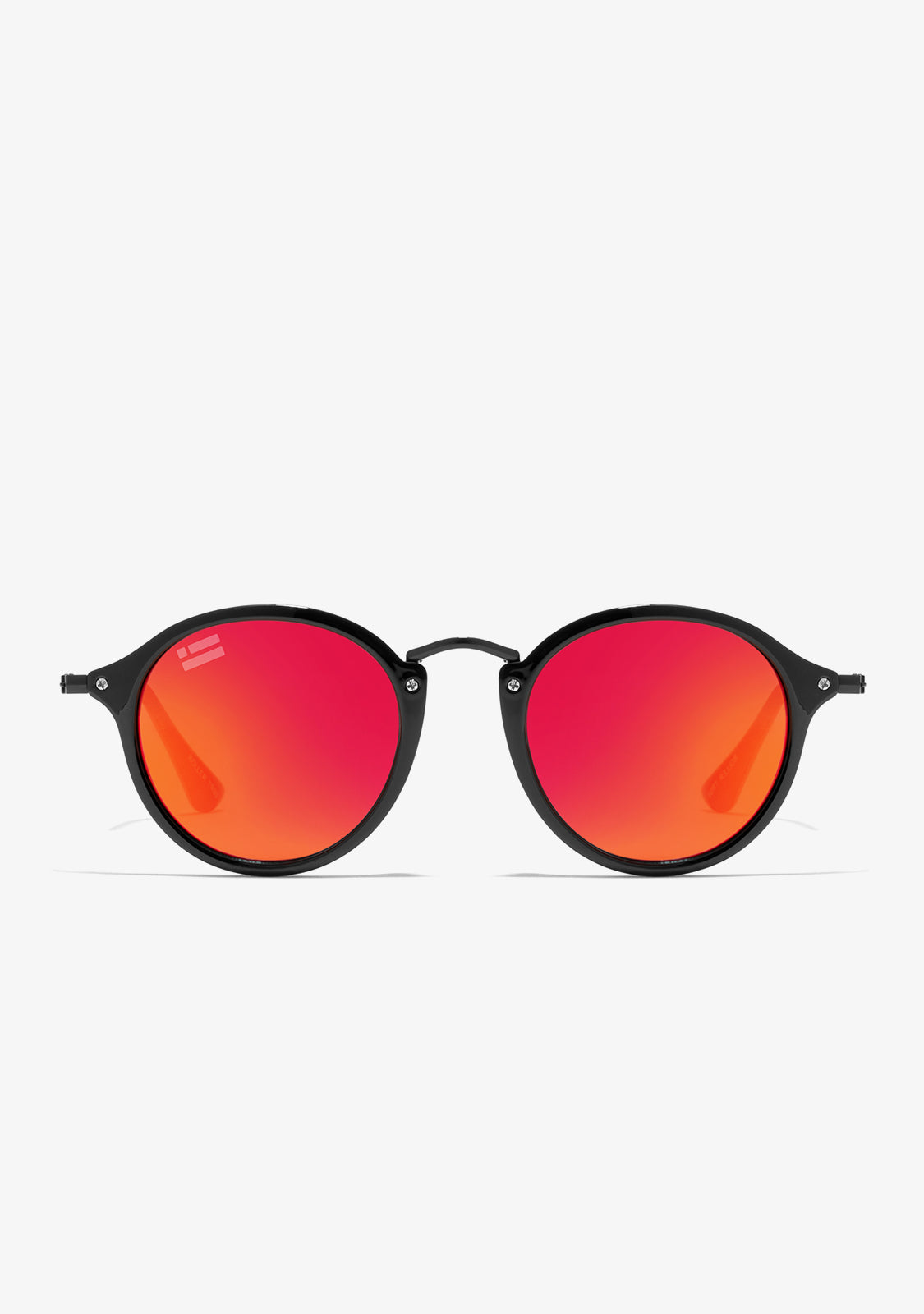
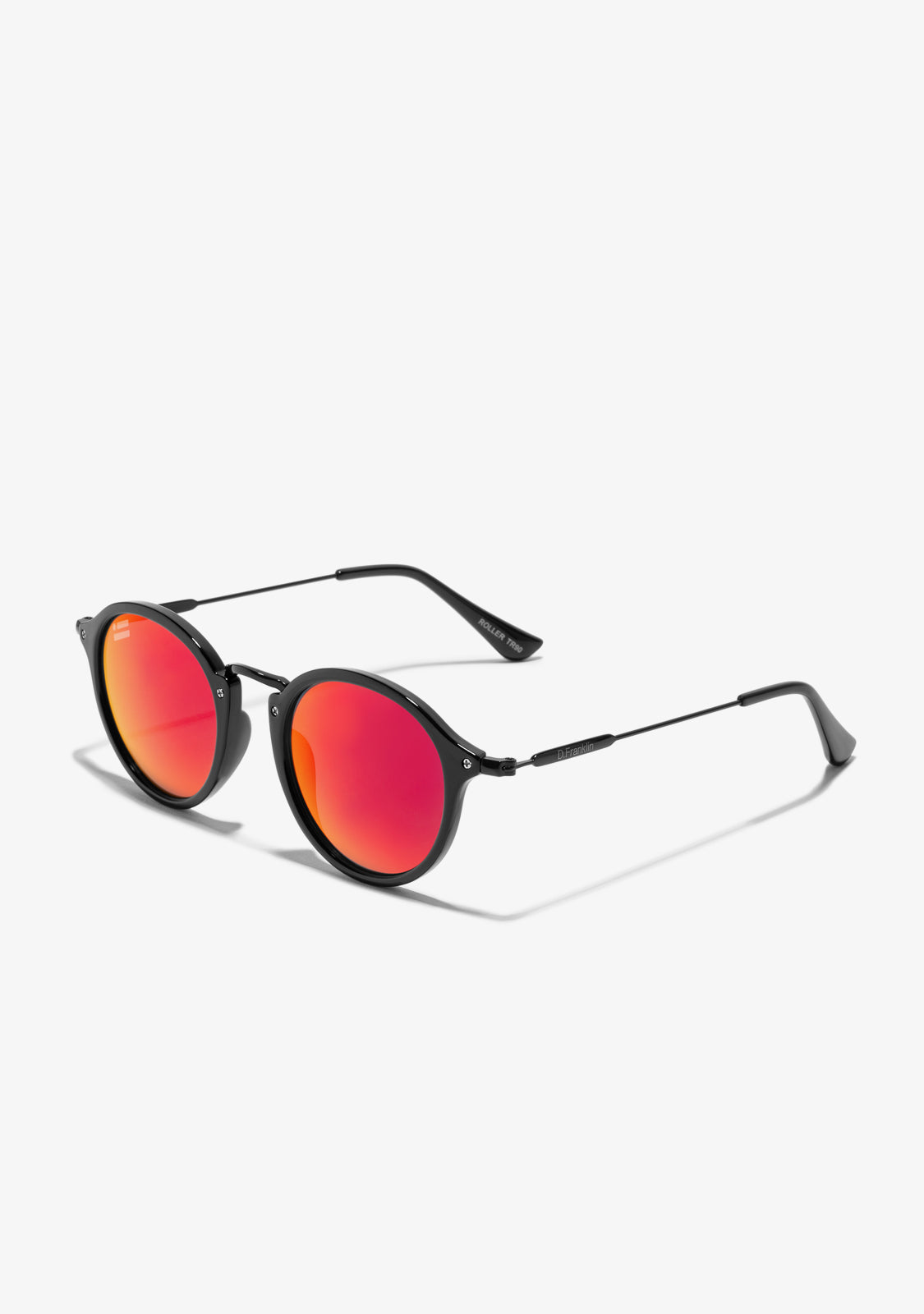
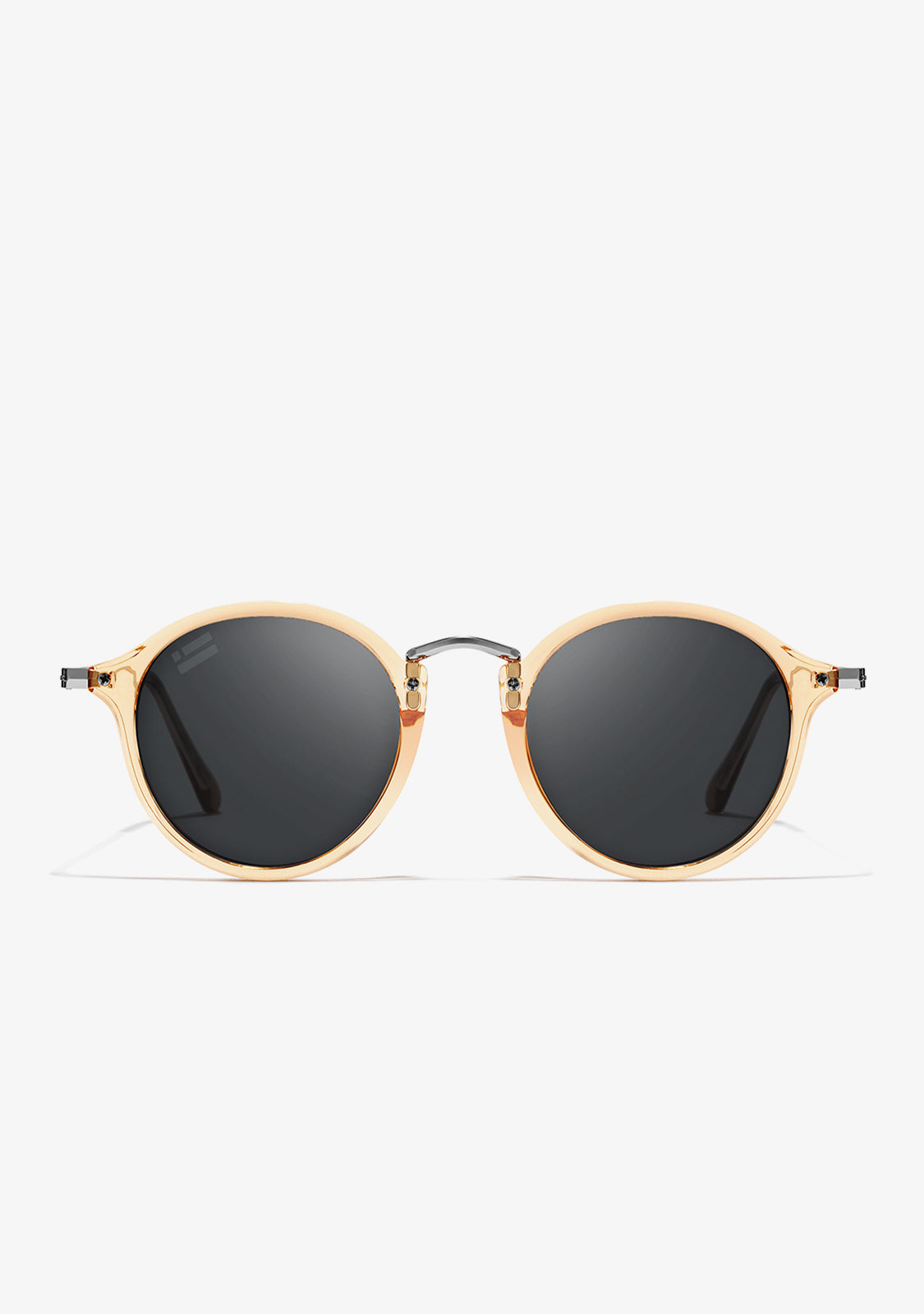
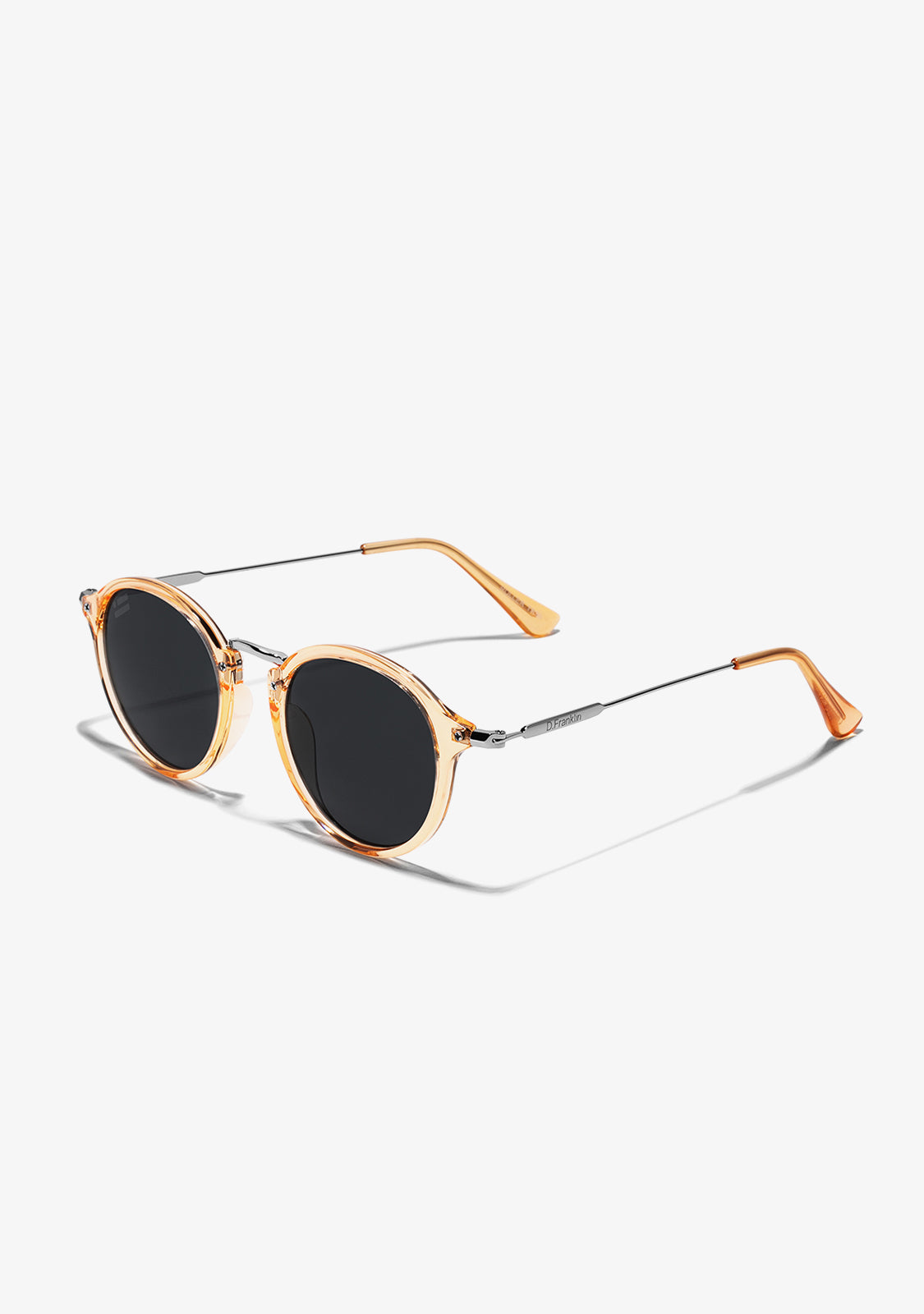
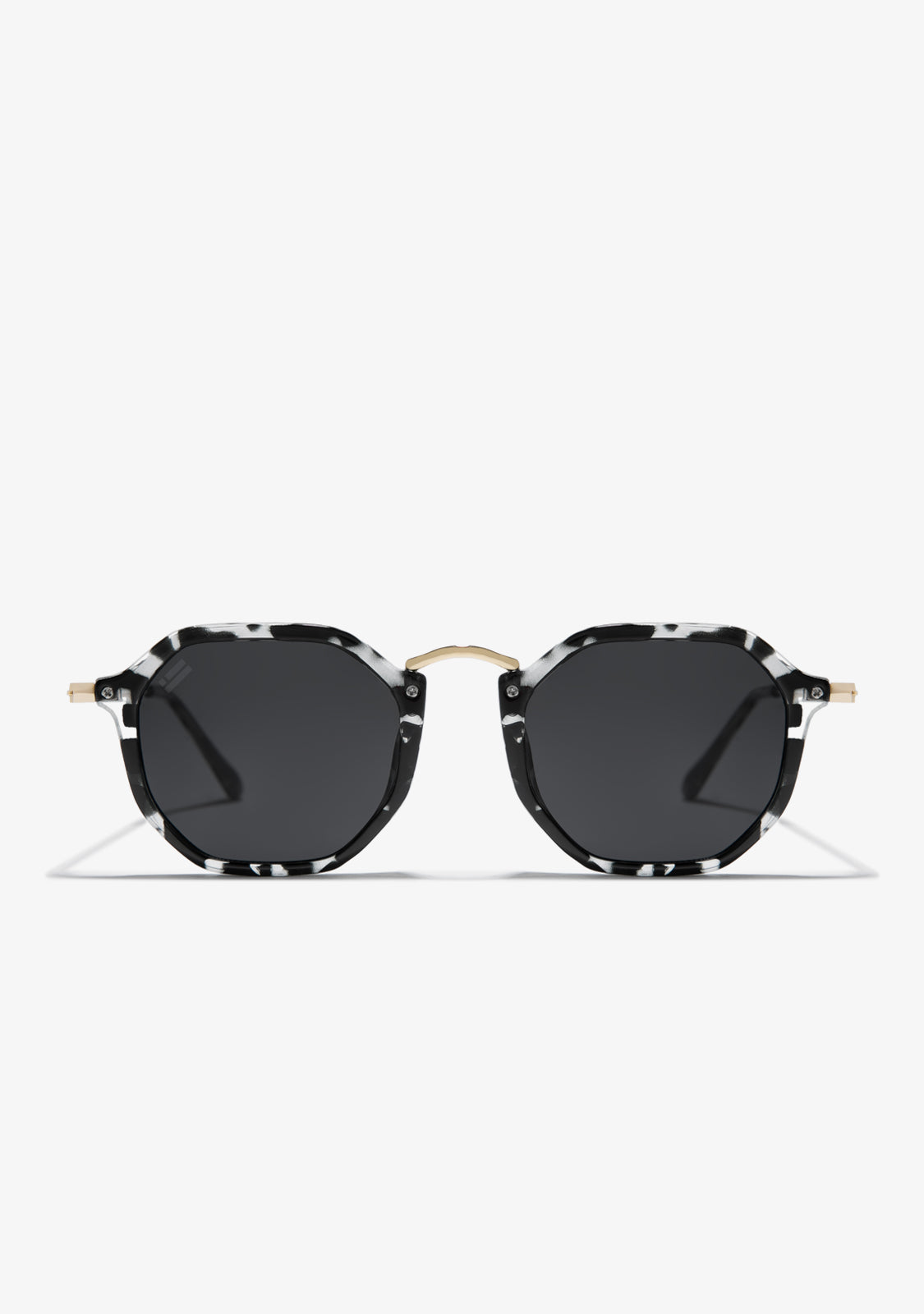
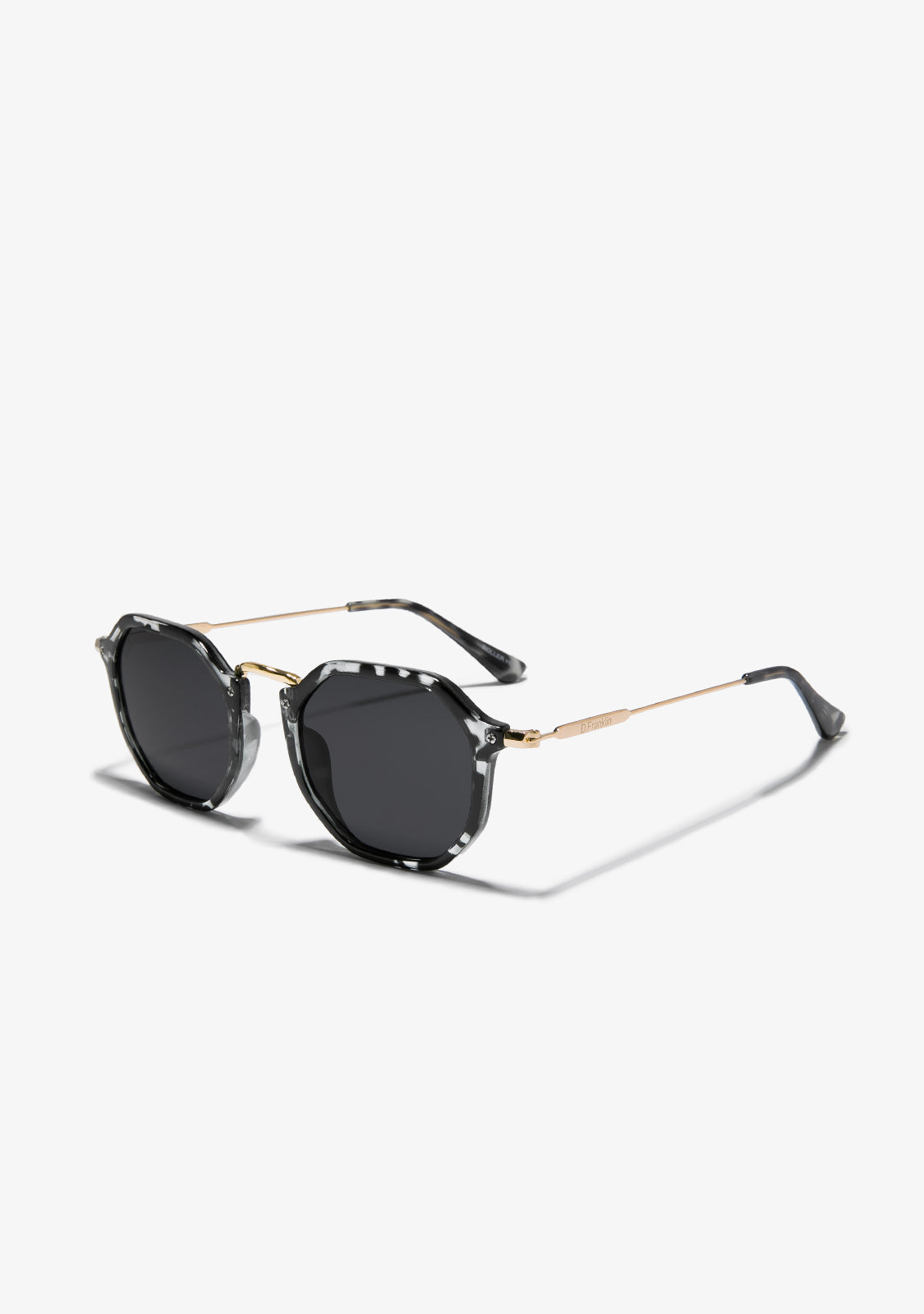
ROLLER
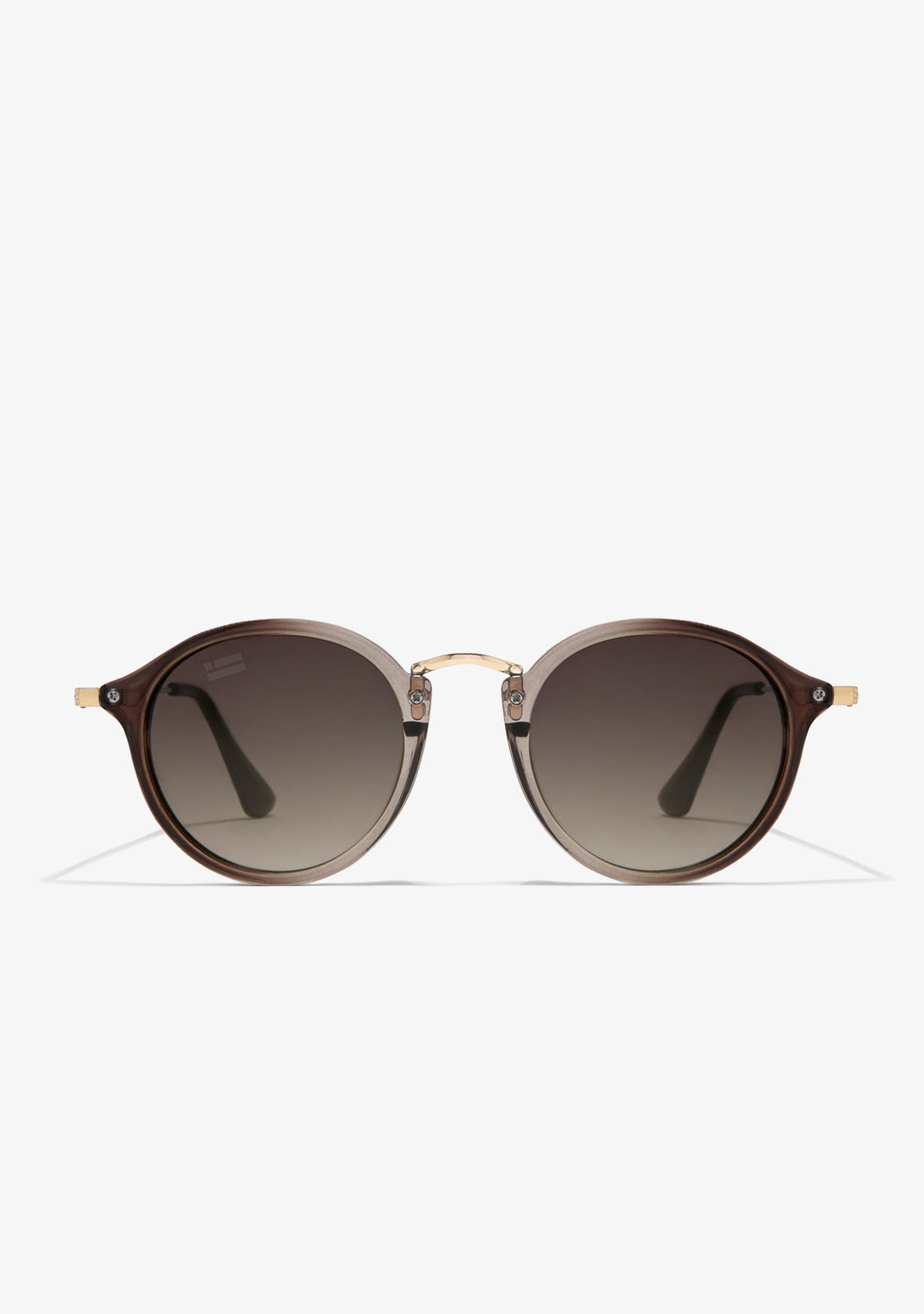
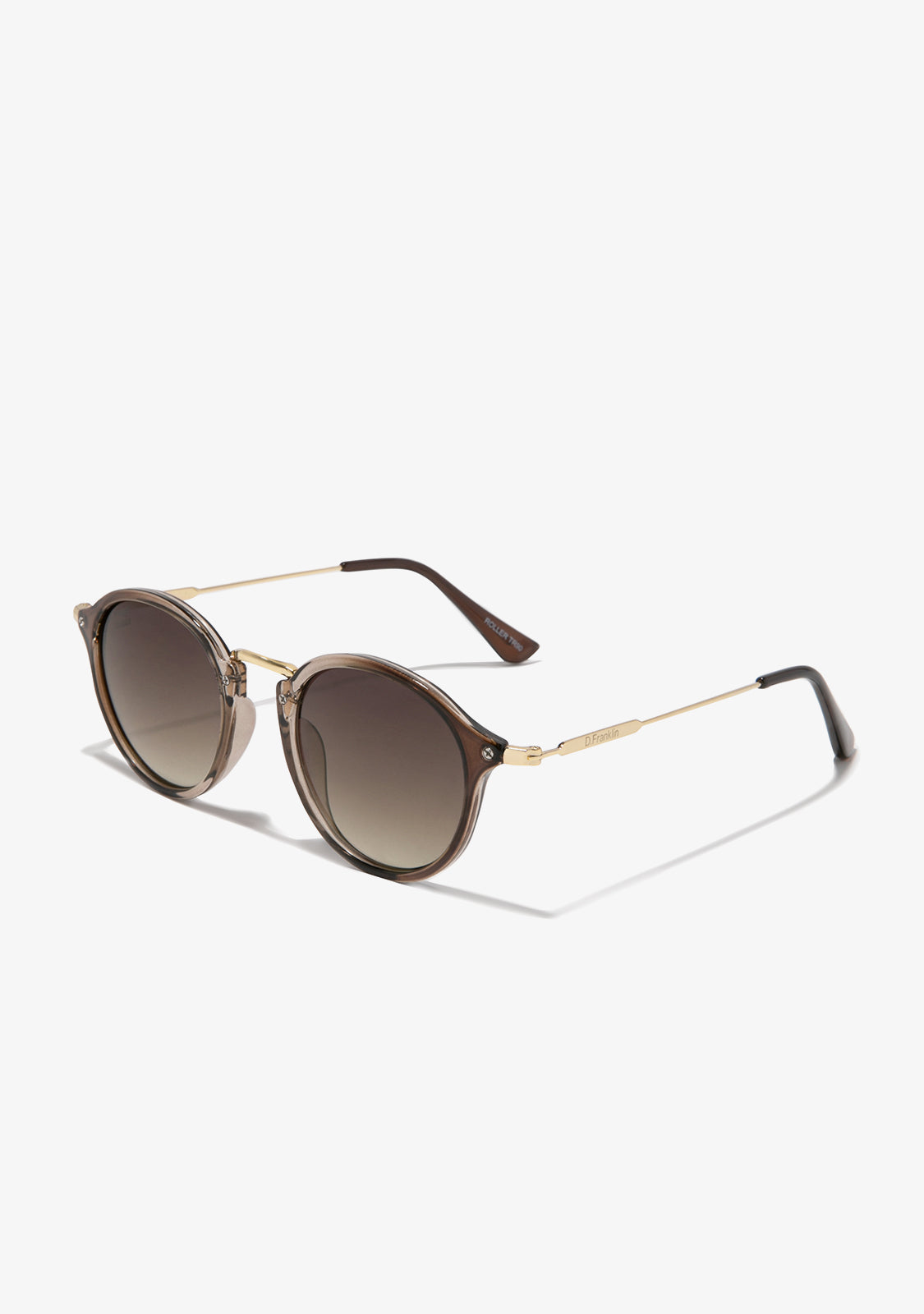
ROLLER
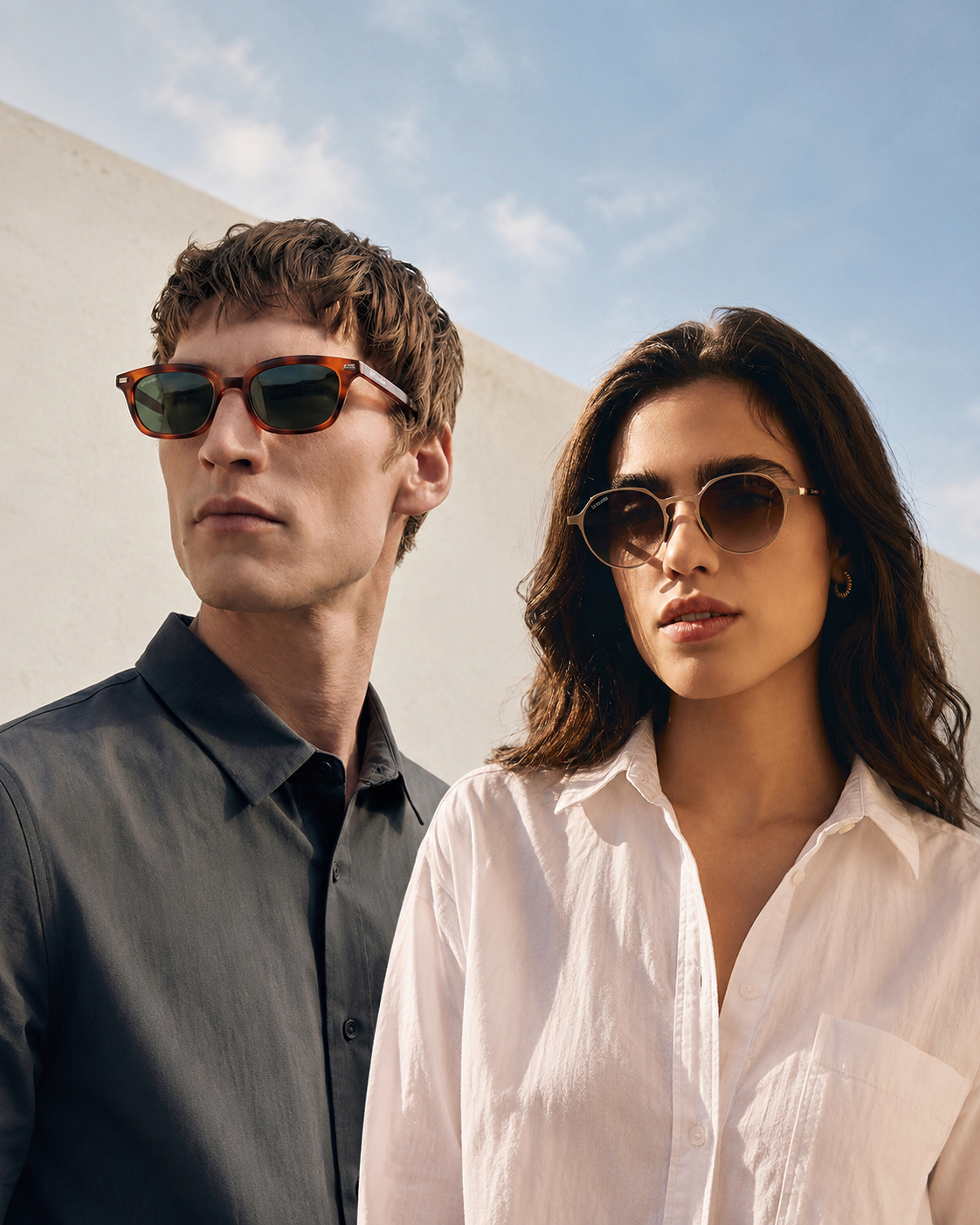
D.Franklin sunglasses offer different frame shapes and lens finishes. Choose the shape you enjoy wearing, then compare front width, bridge fit and the specifications of the exact lens.
Lens colour, filter category and UV protection are separate specifications. Check each one for the chosen variant. A darker tint or mirrored surface does not on its own establish stronger UV protection; polarisation is another distinct feature.
Read moreRead less
Choosing by measurements and contact points
Compare the front, bridge and temples with glasses that already fit well. The frame should stay put without persistent pressure or constant readjustment. A men's or unisex label does not define one standard size.
When comparing shapes, separate the outline from the size. Large round glasses create a different effect from narrow oval ones, even though both use curves. Square corners make the front more defined; a thin, transparent or low-contrast frame can soften that presence. Face shape can guide an aesthetic preference, but it does not require one particular silhouette.
Front and temple materials are another part of the decision. A metallic appearance does not identify the composition, and frame thickness alone does not establish weight. Check the stated materials and try the contact points: the bridge should support the frame and the temples should follow your head without relying on a cap to compensate for fit.
Lenses for different uses
Polarisation reduces certain reflections, while photochromic technology changes tint under stated conditions. Explore men's polarised sunglasses for that first feature. Check UV protection and filter category separately.
Notice which part of the design provides the colour. A black frame with brown lenses creates a different combination from a brown front with grey lenses. Tortoiseshell adds a mottled pattern, while a plain finish keeps colour more uniform. With patterned clothing, consider how much attention you want the glasses and your other accessories to attract.
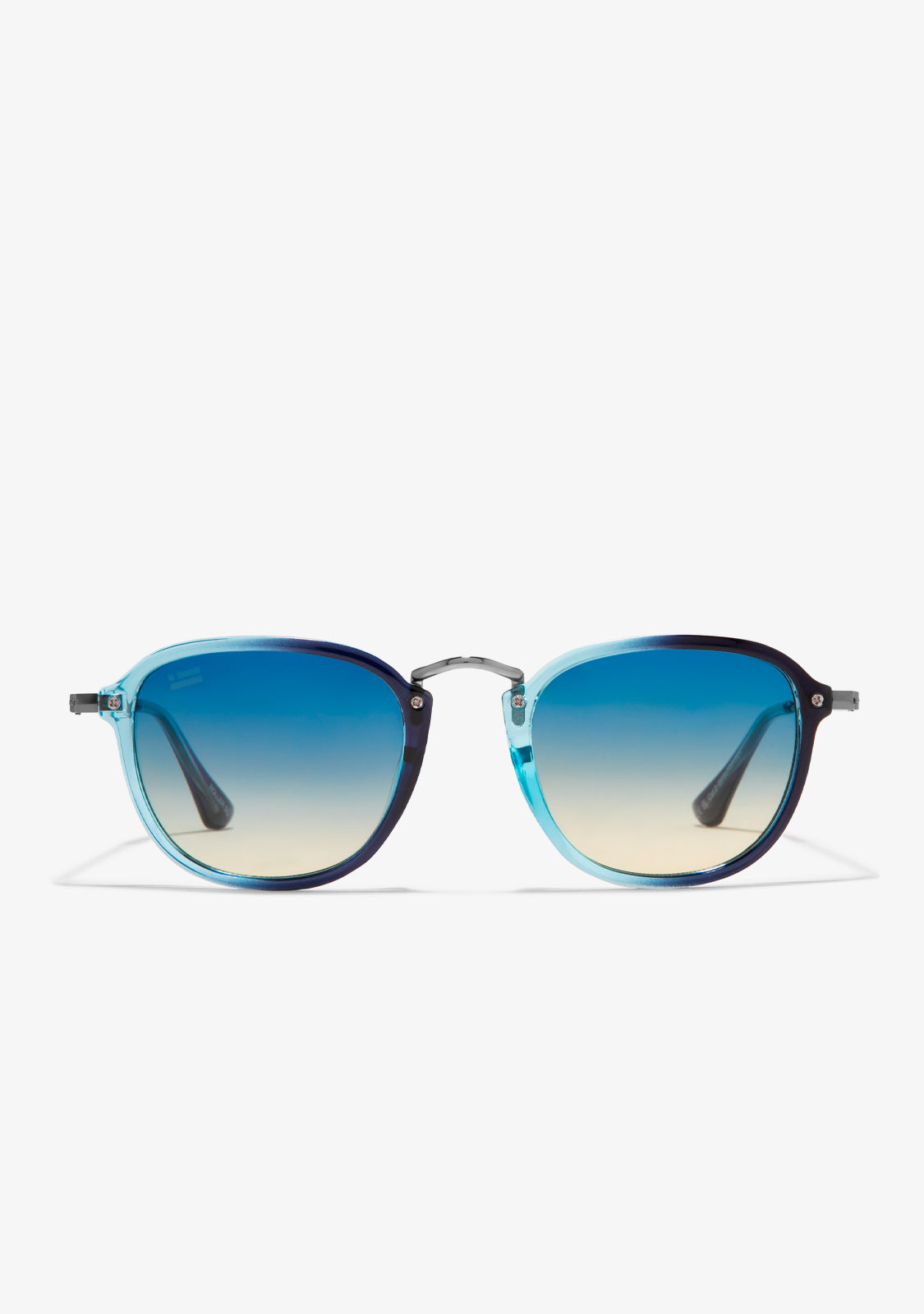
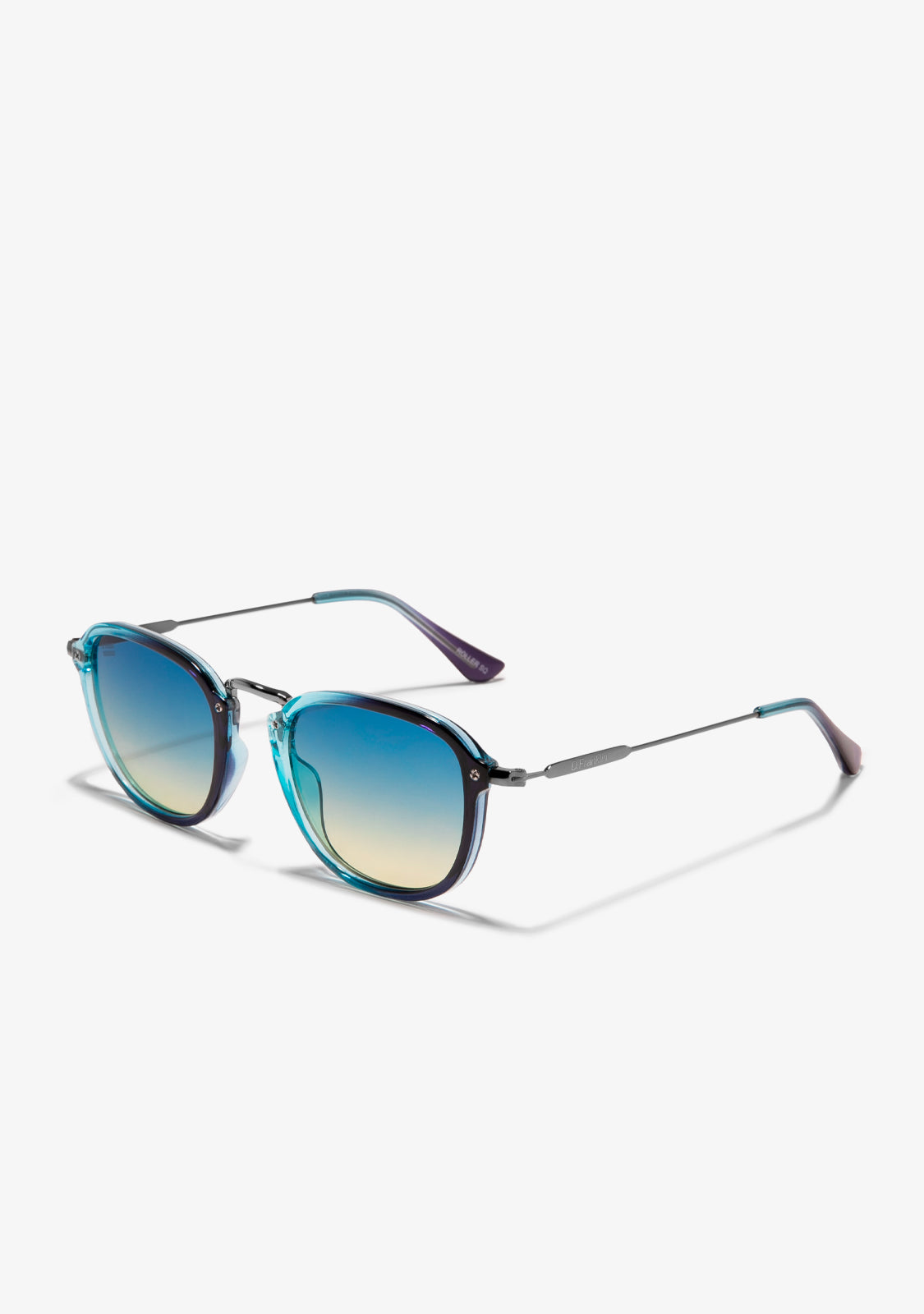
For lenses, distinguish the visible tint, finish and stated technologies. A mirrored finish produces an external reflection, while a gradient distributes colour intensity across the lens; neither alone confirms polarisation or photochromic behaviour. Compare specifications separately for different versions of the same frame, as a colour change may also involve a different lens.
What to compare when choosing Roller
Front shape: rounded, square or faceted.
Front, bridge and temple materials, checked separately.
Front width, lens width, bridge width and temple length.
Lens colour and treatment: standard, gradient, mirror or polarised, depending on the reference.
UV protection and lens category listed for the exact model.
Fit and care for mixed-material frames
Compare measurements with glasses you already find comfortable. The frame should sit securely without pressing against your temples or slipping repeatedly. A unisex design does not mean every model has the same dimensions.
Wash lenses and frames with water and mild soap, then dry with a soft, clean cloth. Keep your glasses in their case and avoid bending the metal temples to adjust the fit yourself.
Compare related collections
Frequently asked questions
How do Roller TR90, SQ, S Square, HEX and Round V2 differ?
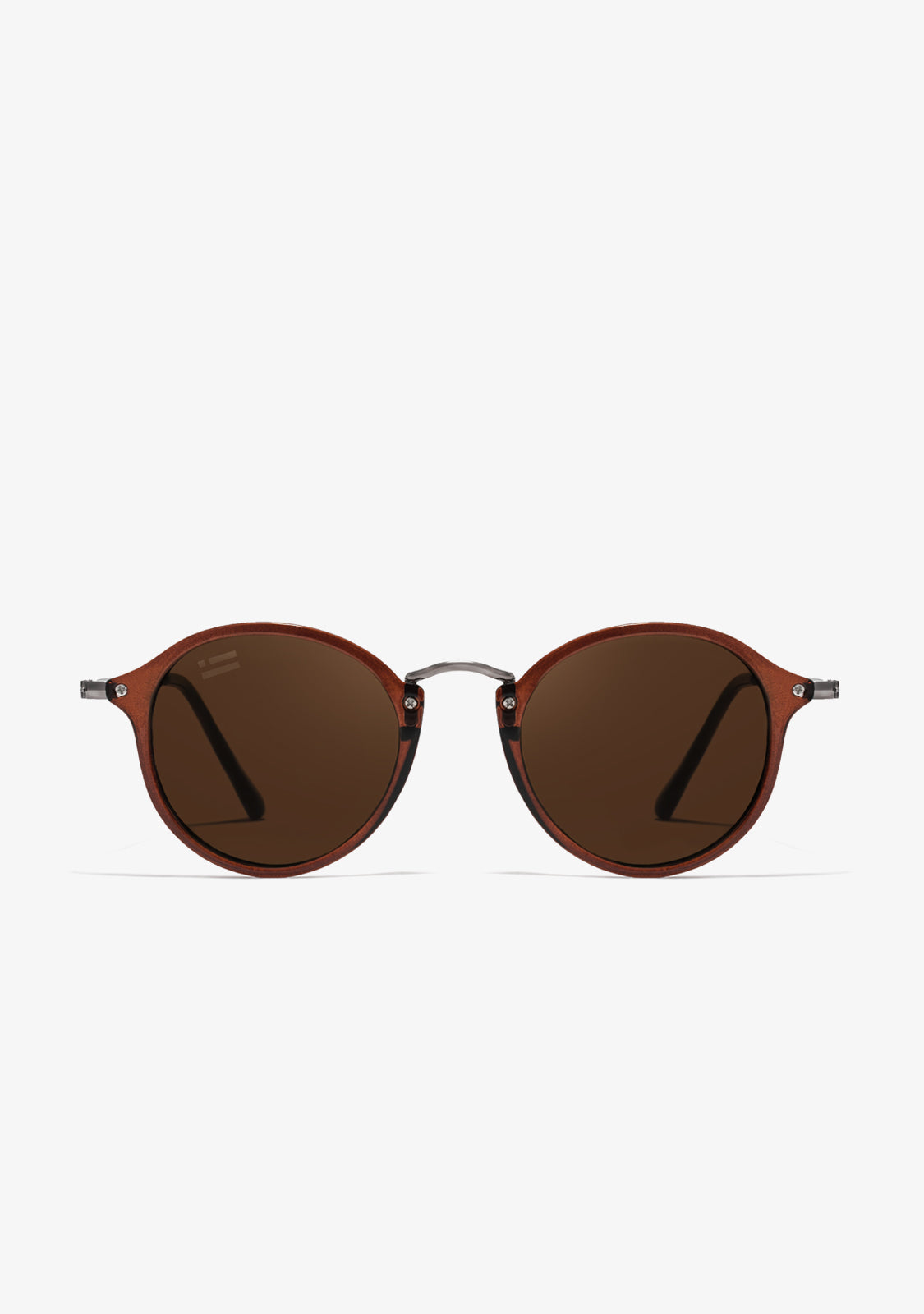
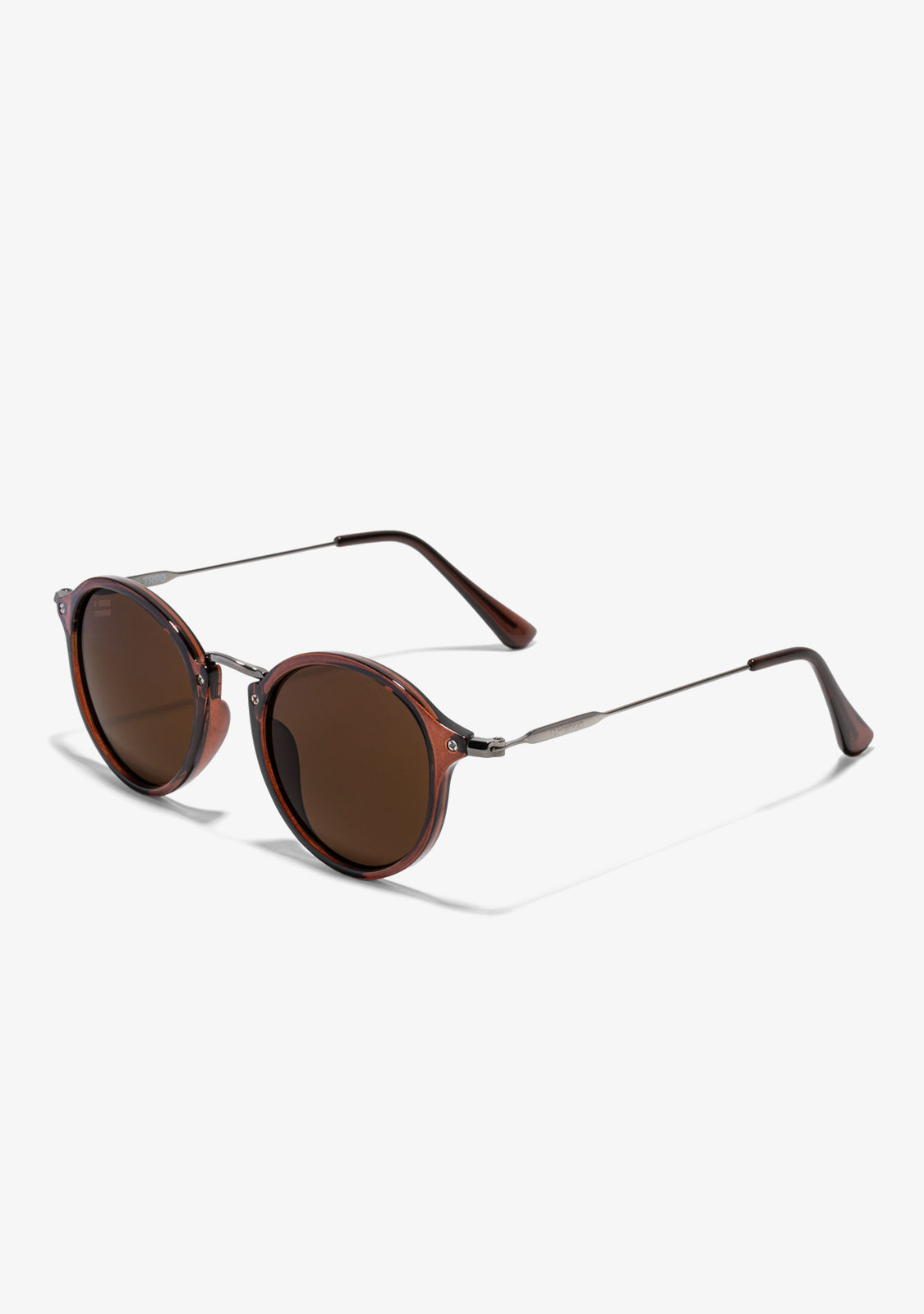
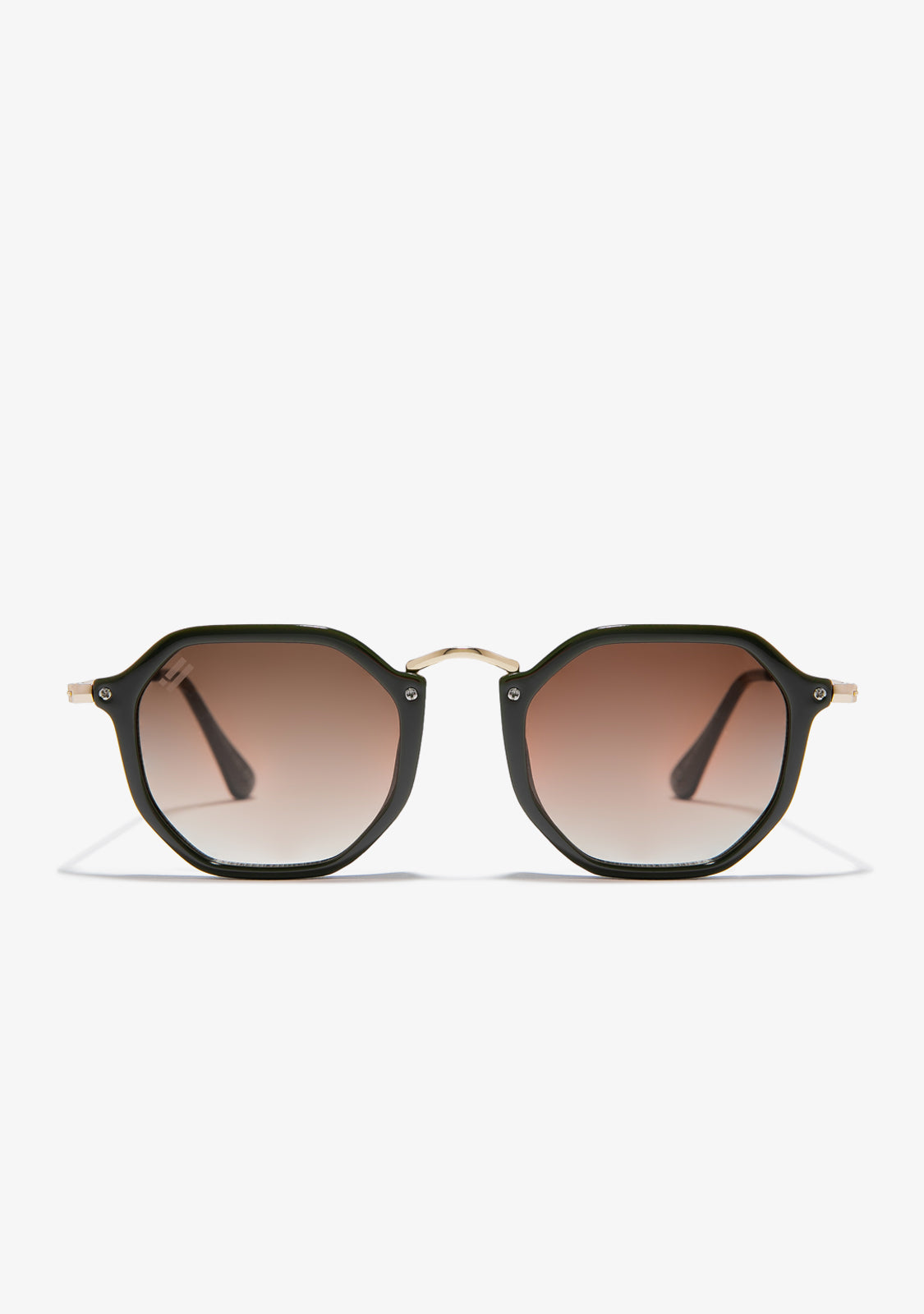
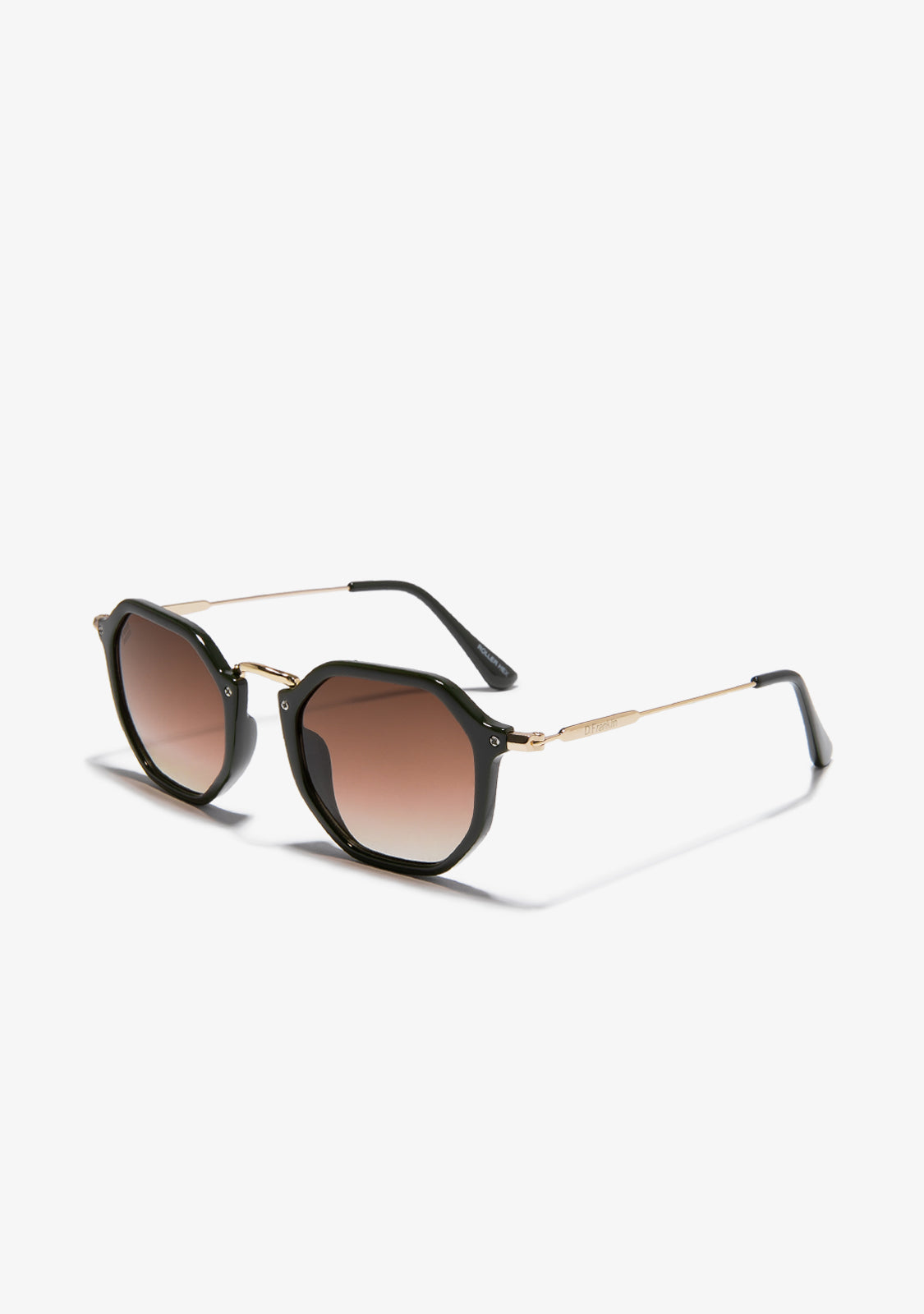
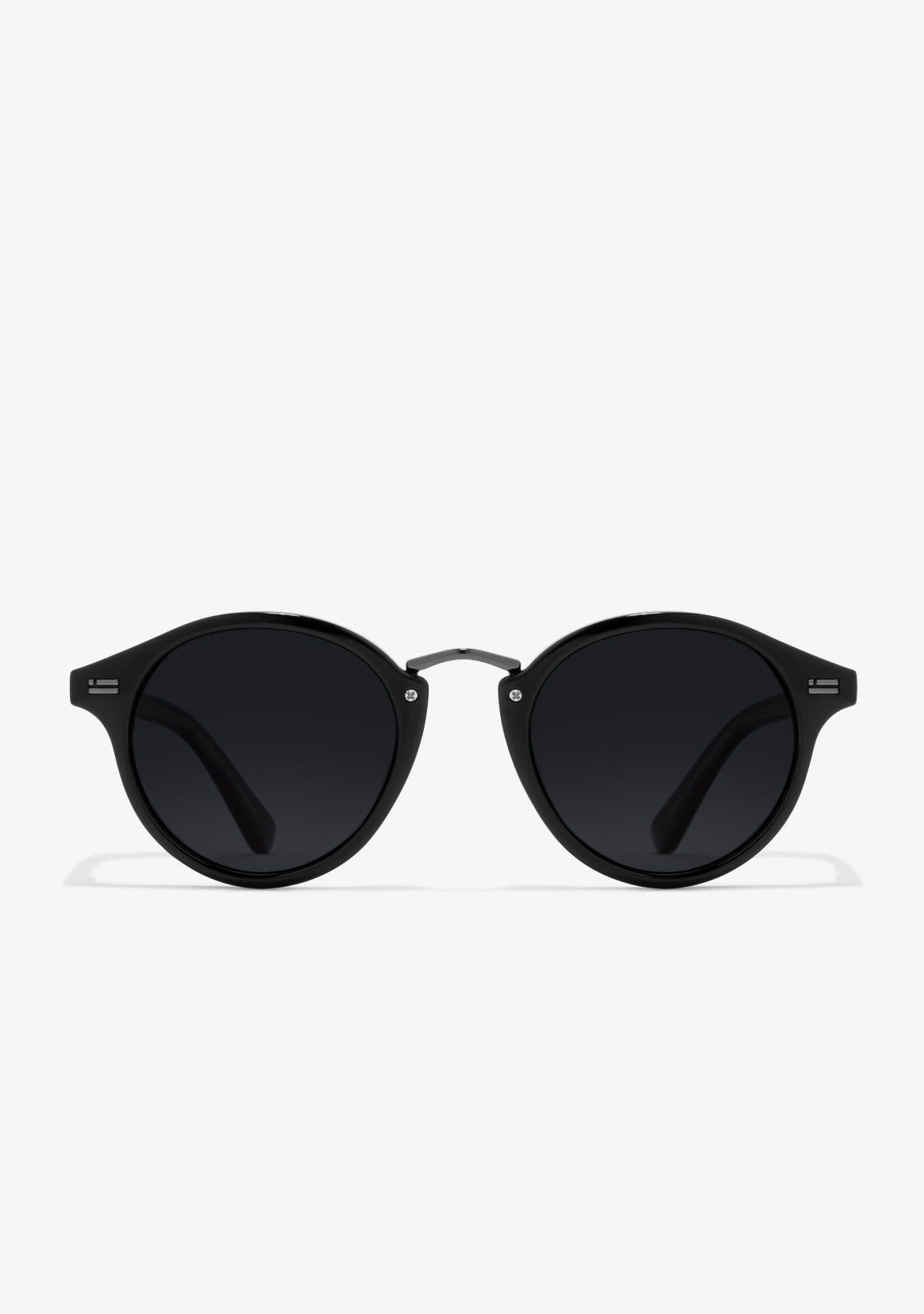
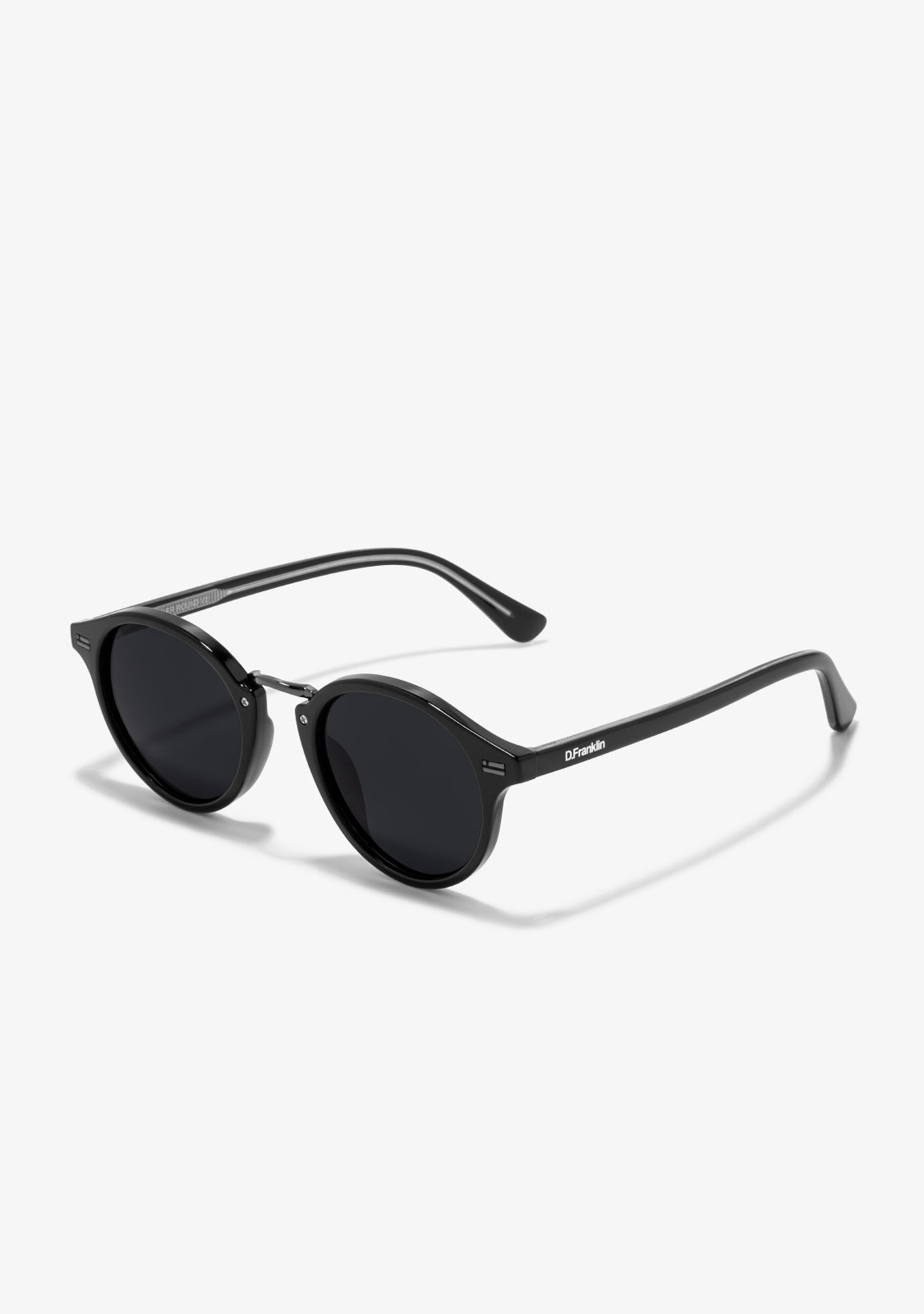
TR90 and Round V2 use rounded shapes; SQ has a square outline, and S Square stands out for its straight upper line and angles. HEX introduces an octagonal, faceted front. Match your preferred silhouette with the measurements before deciding: two round Roller models can have different widths and fit differently even when their overall shape looks similar.
Which Roller should I choose for a narrow or wide face?
Check overall width, lens height, bridge and temple length, then compare frame thickness. Fronts with similar widths can look very different. Use glasses that already fit well as a reference and check their support when smiling or tilting your head.
Are all Roller sunglasses polarised?
No. The collection includes different lens types. Confirm polarisation in the chosen option's specifications rather than inferring it from colour or a mirrored finish.
What is the difference between gradient, mirror and polarised lenses?
A gradient moves from a darker tint to a lighter one within the lens. A mirror finish gives the outer surface a reflective appearance. Polarisation helps reduce certain reflections, such as those from water. These are separate features and can be combined: choosing a gradient or mirror lens does not guarantee polarisation. Check the treatments listed for each Roller reference.
How do I clean Roller lenses and metal temples?
Use water and mild soap, then dry your glasses with a soft, clean cloth, following D.Franklin's care instructions. Rinse away dust or sand before wiping the lenses. Avoid abrasive fabrics and keep the glasses in their case when not in use. If a temple becomes loose or the frame sits unevenly, have the fit checked before trying to bend it yourself.
How can I tell if sunglasses are too large?
Watch for slipping when you tilt your head or a bridge that barely makes contact. Compare dimensions with stable glasses; holding them tighter with accessories does not correct an unsuitable size.
Do polarised and photochromic mean the same thing?
No. Polarisation reduces reflections, while photochromic technology changes lens tint under specified conditions. Check the technologies separately: they can be combined but are not equivalent.

